GUIDE LIBRARY
Cloud Gaming Guides
Step-by-step tutorials and practical guides to help you get the best experience in cloud gaming.
All
Cloud Gaming
Game Servers
Network Lab
Self-Hosted Gaming
Cloud PC
Uncategorized
Network Lab FEATURED
A practical Network Lab guide to reducing cloud gaming latency by testing route quality, Wi-Fi, queueing, stream settings, decoding and display delay.
Network Lab
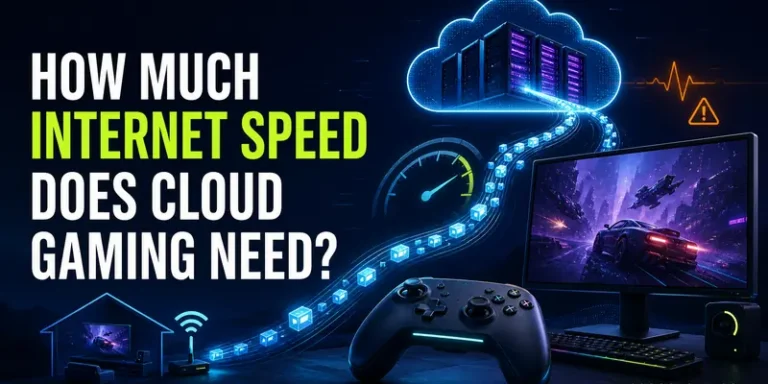
Cloud gaming usually needs 15 Mbps for 720p, 25 Mbps for 1080p, and more for higher resolutions. Learn how bandwidth,…
Cloud Gaming
A Steam Deck-specific comparison of GeForce NOW, Xbox Cloud Gaming, Shadow PC, and Steam Remote Play, with setup guidance and…
Cloud Gaming
Choose a service for Apple silicon, Intel Macs, browser play, controllers, and external displays.
Cloud Gaming
A Linux-first comparison of GeForce NOW, Boosteroid, Shadow PC, Xbox Cloud Gaming, and self-hosted Sunshine/Moonlight—focused on compatibility, control, and network…
Cloud Gaming
Compare two different approaches to cloud play by catalog, ownership, quality, and value.
Cloud PC
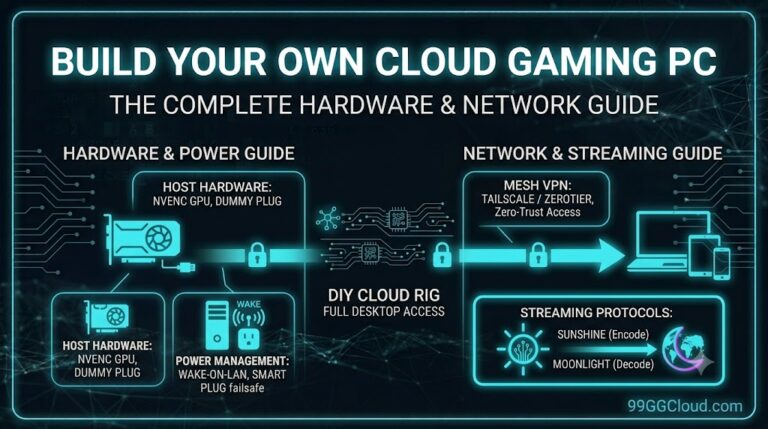
Hardware, host software, remote networking, and operating costs for a personal cloud rig.
Game Servers
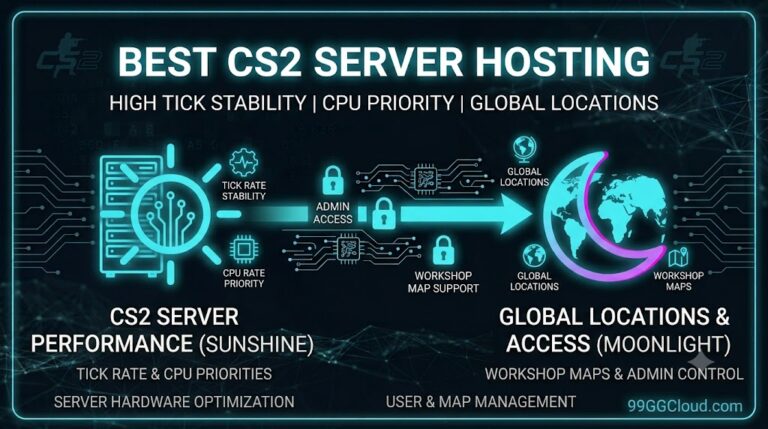
Tick stability, CPU priority, locations, workshop maps, and admin access for CS2 servers.
Self-Hosted Gaming
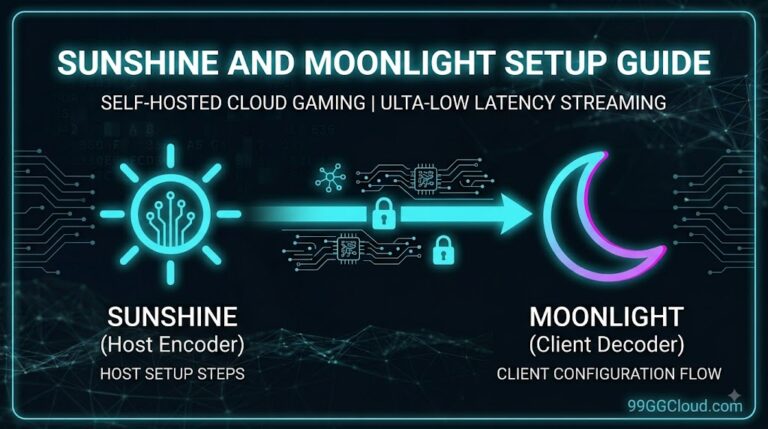
Build a private, low-latency game stream from host installation to secure remote access.
Game Servers
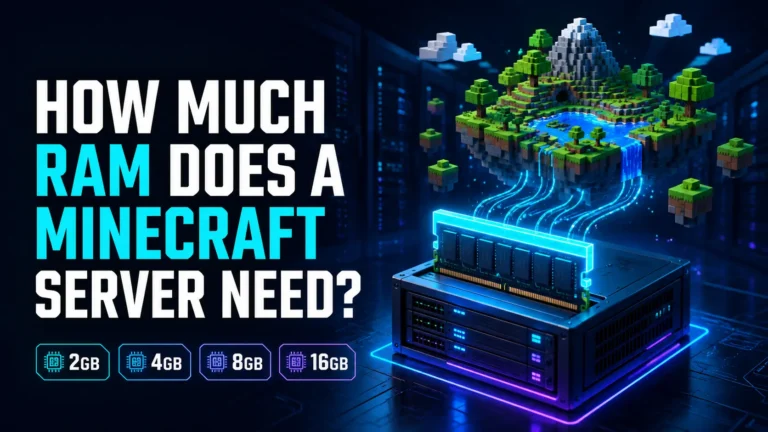
A small Vanilla Minecraft server can run on 2–4 GB, while busy plugin servers and large modpacks may need 8–16…